July 7, 2011
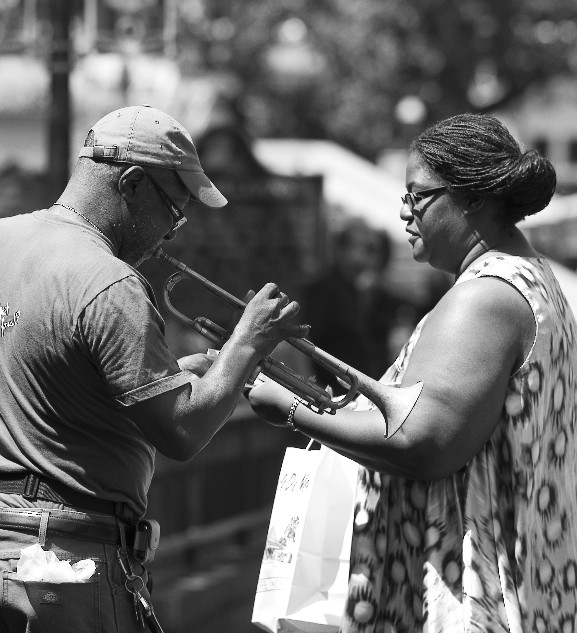
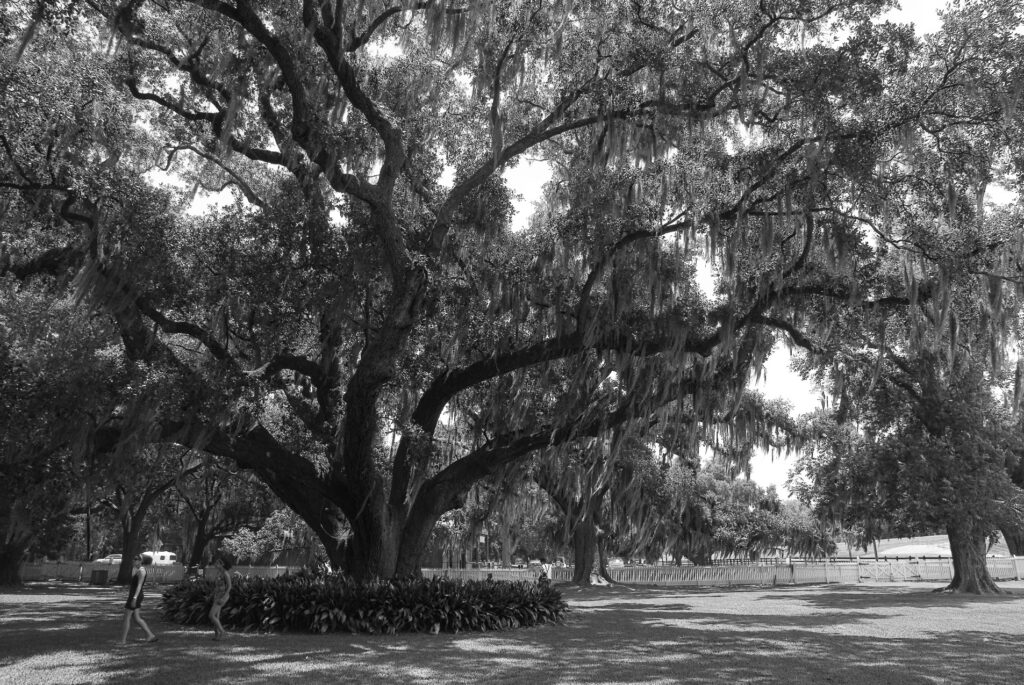
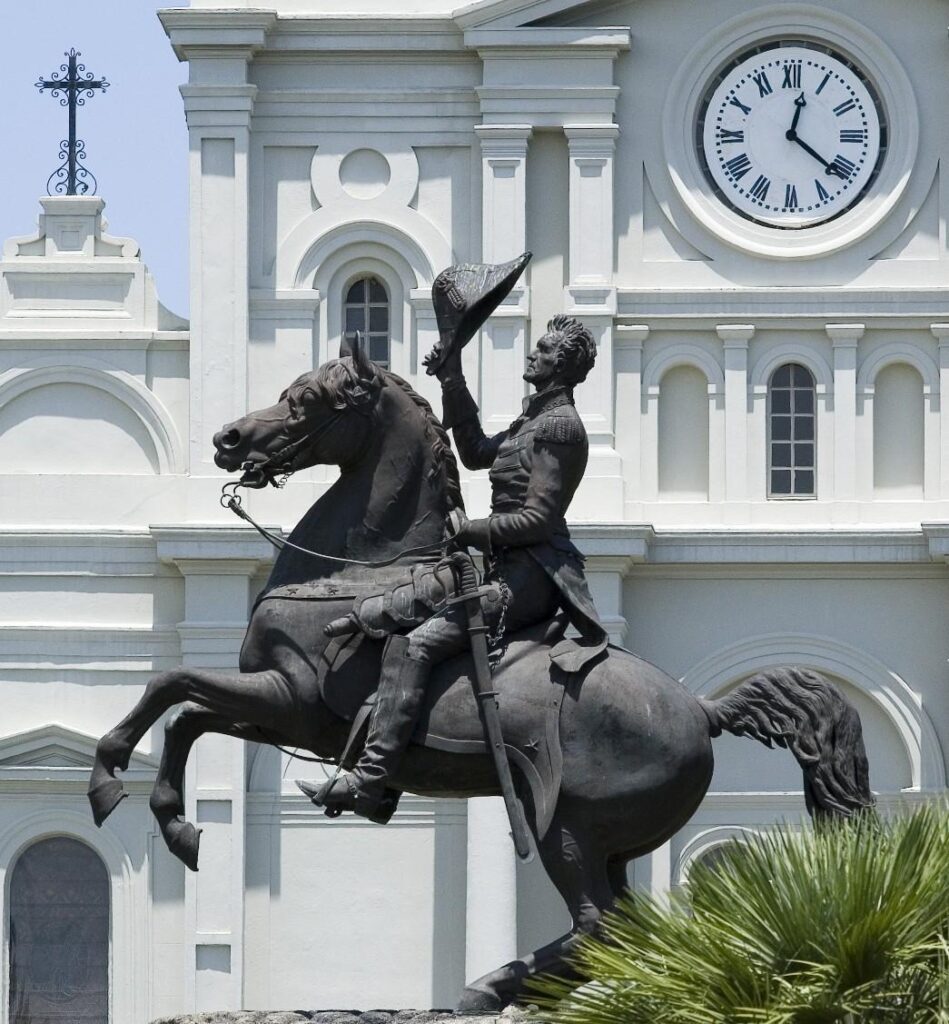
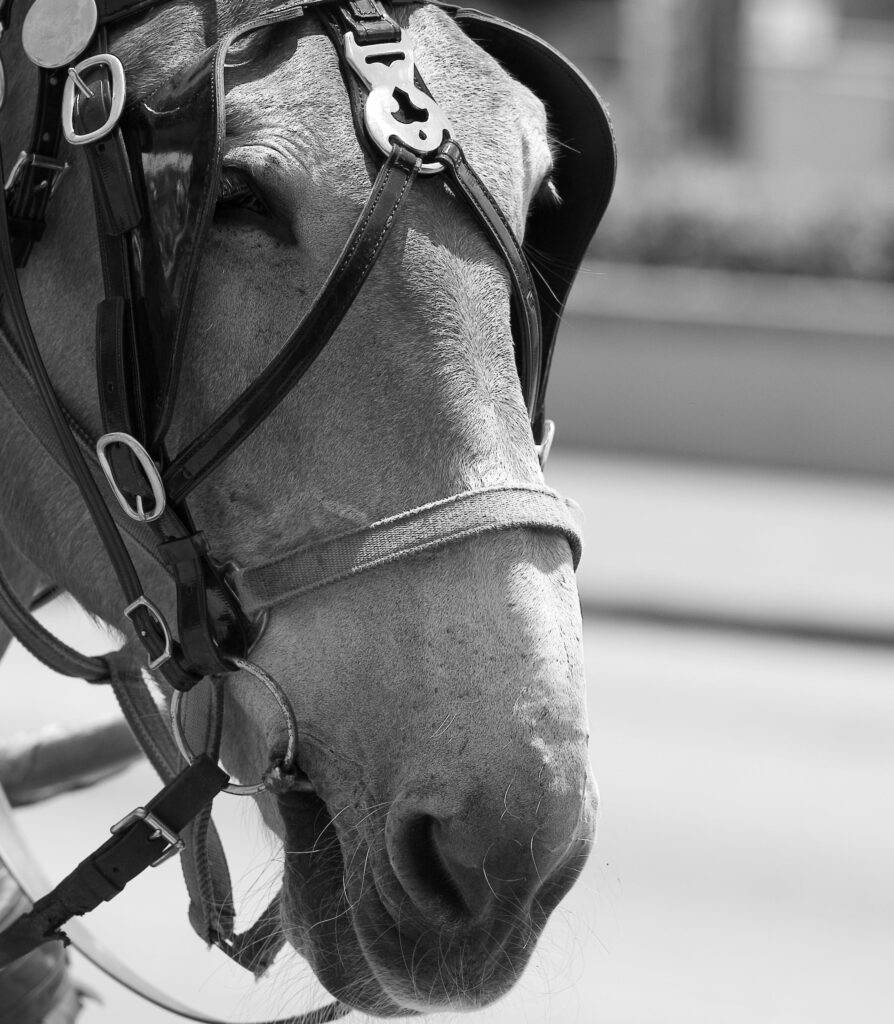
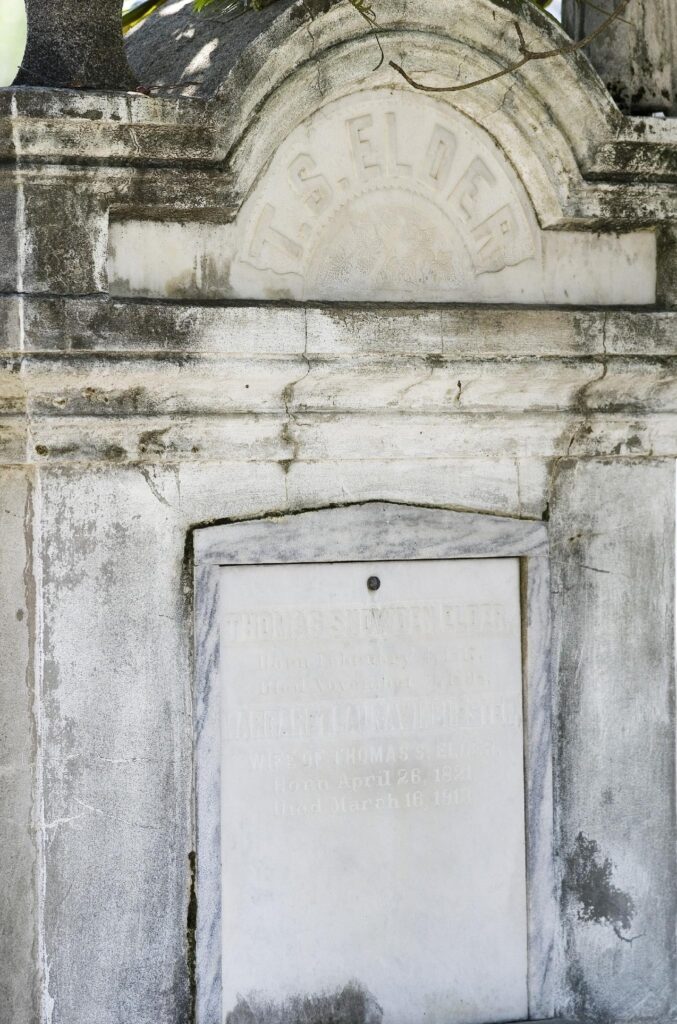
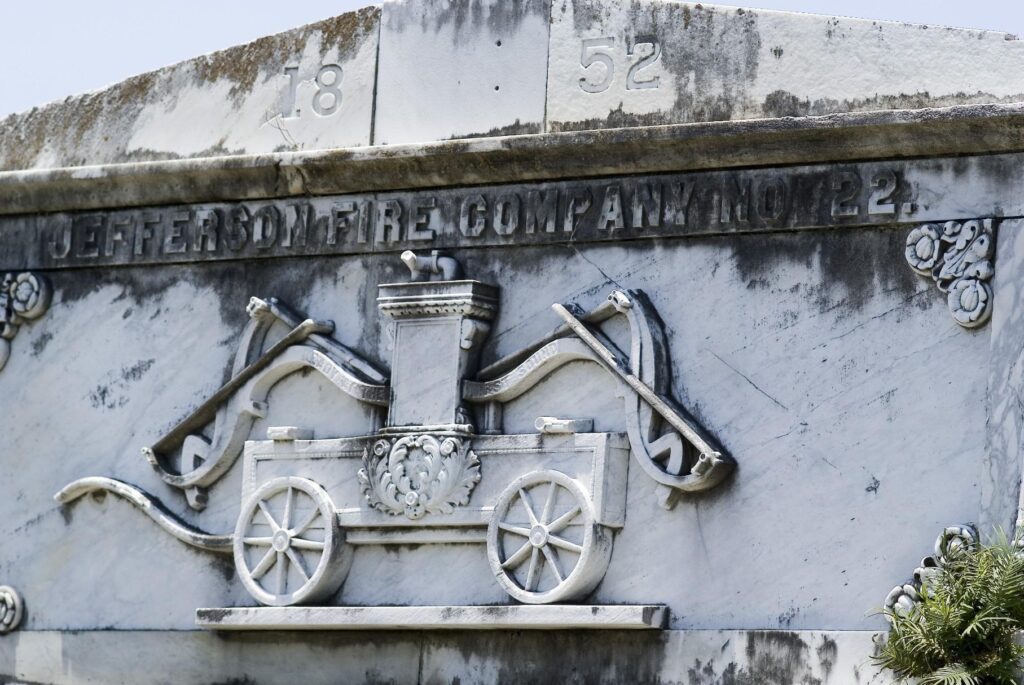
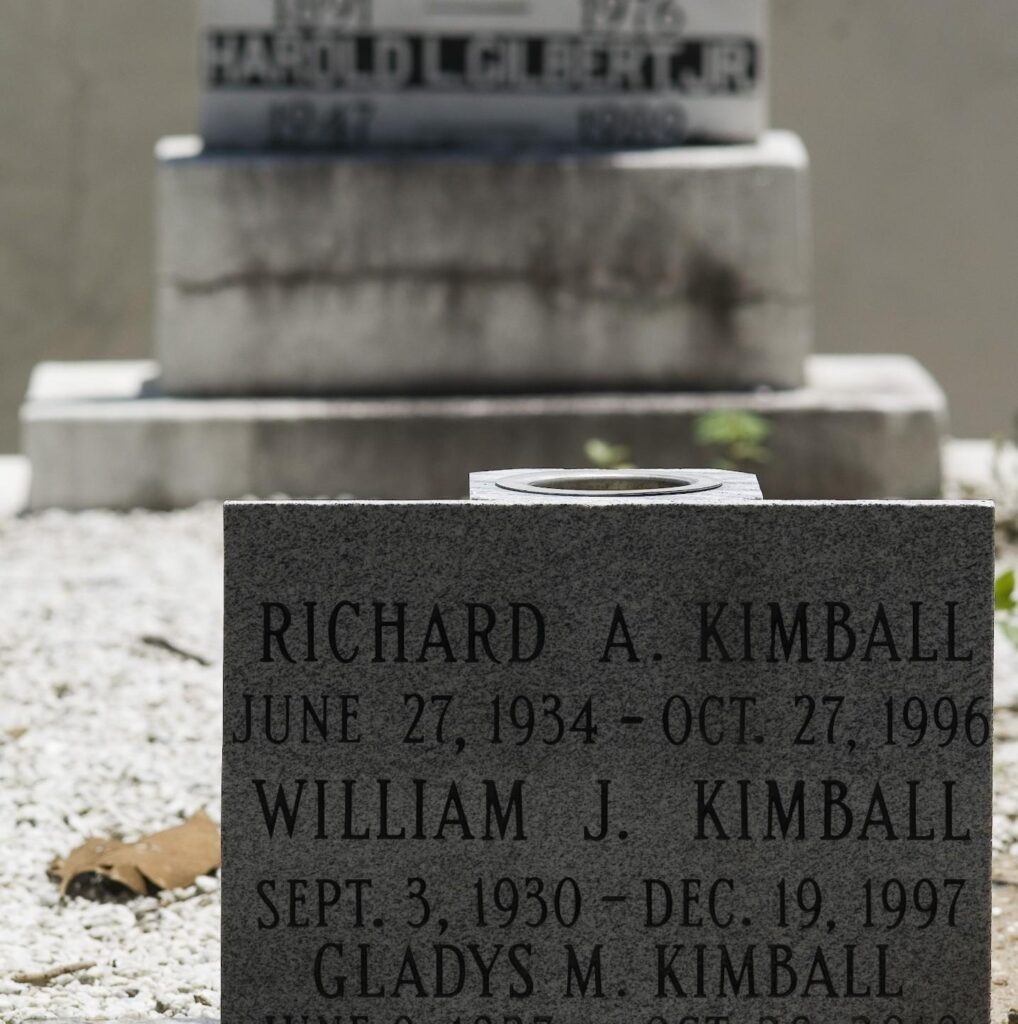
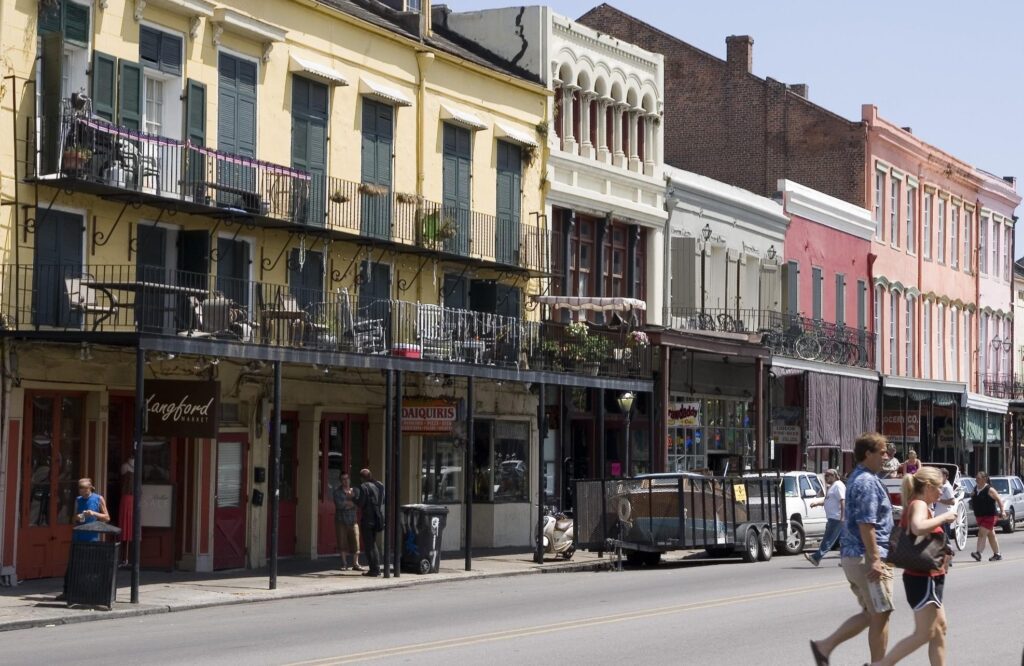
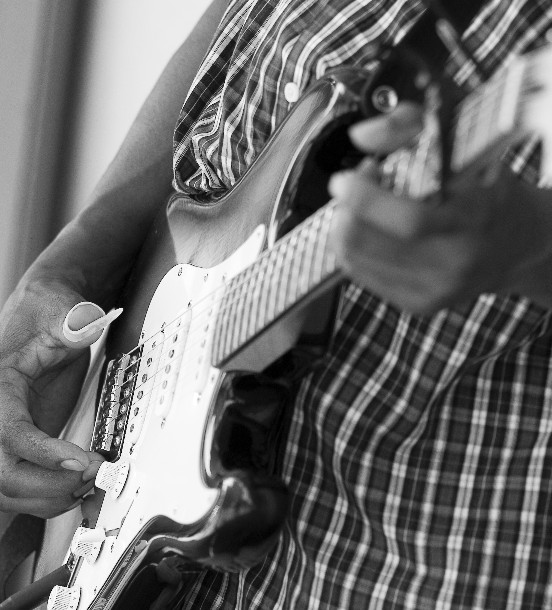 Visiting New Orleans felt less like visiting another U.S. city and more like crossing into another country entirely. Its own language, really several — local patois, tourists’ accents from all over, our own flat Midwestern vowels sticking out plenty. Its own architecture too — narrow streets, two-story buildings crowding right up to the sidewalk, grand old mansions, tiny houses once you get out toward the edges of town. Its own soundtrack, beyond the usual city traffic and crowd noise: ship horns off the river, horses clopping over cobblestones, their drivers hollering out tours, and jazz — always jazz, on every corner. A lone trumpet player pulled our whole tour group off-task for a minute with a soulful “Misty.” An electric guitarist ran off his own battery amp down another street. A band of guys who looked barely out of college, tuba and all, played something edgier and less traditional outside a cafe+ . New Orleans has its own customs too, like the mandatory above-ground burials, and its own smells — the river, fried food, seafood, incense and handmade soap blasting out of shop doorways along with the AC.
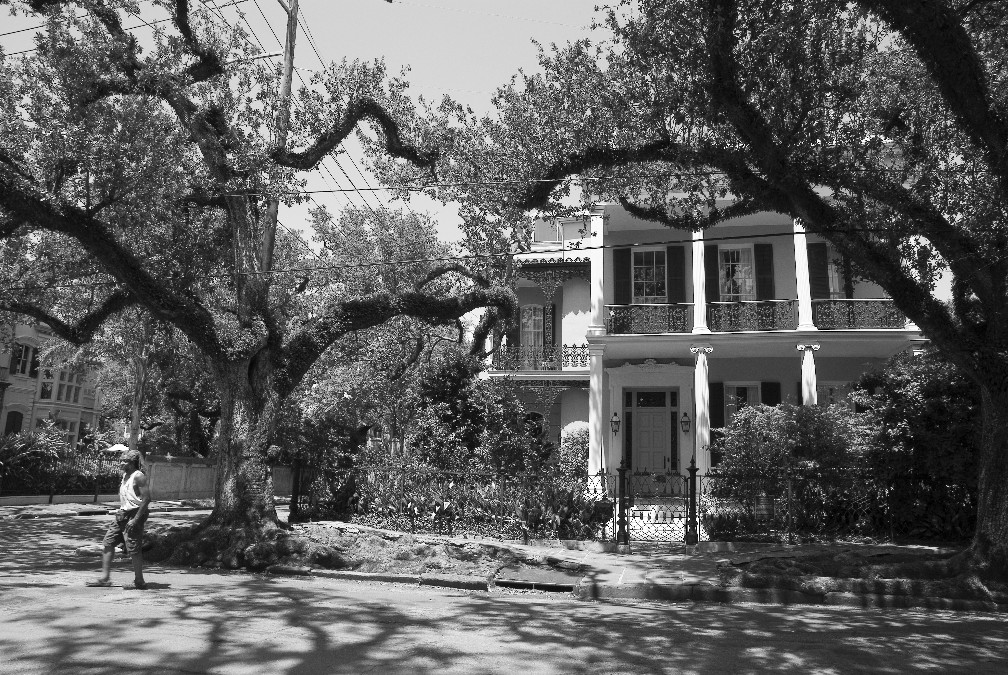 Despite it being one of the hottest trips we’ve taken, I had a great time. We walked tours through the French Quarter and the Garden District, plus Lafayette Cemetery. Saw beautiful homes that once belonged to famous names, plenty of others just distinguished by strange, striking architectural details.
We camped right in the city, backed up against a rail yard. Trains came through with a crashing noise loud enough to shake the ground — never did figure out exactly what they were doing over there, but the racket
always stopped well before we turned in, so I didn’t lose sleep over it. Made good use of the campground pool most evenings just to cool off. Place was overrun with cats too — the owner told us she works with a local charity that pulls homeless cats off the street, gets them fixed and vaccinated, then returns them to where they came from. They were everywhere around the property, never bothered a soul, and knew enough to disappear under the main building whenever the heat peaked during the day.
After New Orleans, we stopped at Destrehan Plantation — an old indigo and later cotton operation that’s changed hands more times than anyone could probably count, sat abandoned and got looted in the ’50s, and has since been restored, rebuilt in parts, with some reproduction furnishings and a handful of cabins and outbuildings moved in from other plantations to fill things out. The tour runs through an archive room holding documents actually signed by Thomas Jefferson, plus a hand-spinning and weaving demonstration — a job historically pushed onto enslaved people, kids included, since the plantation made cloth for sale well beyond what the household itself needed.
As far as slave labor went, this plantation operated under somewhat better conditions than most, since it fell under the Code Noir of 1721, which actually regulated how enslaved people could be treated — beatings forbidden, days off required. People enslaved there were permitted to work on the side and keep money for themselves, sometimes enough over time to buy their own freedom. Even so, Destrehan wasn’t spared from the 1811 slave revolt, which ended violently, and some of its own enslaved people were among those executed afterward. Inspired by the earlier Haitian revolt, it stands as the largest slave uprising in U.S. history — it didn’t succeed in the end, but it did real work raising awareness of slavery’s brutality across the country.